Imagine standing knee-deep in a crystal-clear river, the cold mountain water rushing past you as the only sound. The air is so crisp and clean it feels like a taste, scented with pine from the surrounding forests. You make a perfect cast, the line unfurling gracefully like a ribbon, and your fly dances lightly on the water’s surface. This isn’t just a dream; this is a day spent fly fishing in Bhutan, the land of the Thunder Dragon. While often celebrated for its vibrant culture and majestic monasteries, Bhutan holds a hidden secret for anglers: some of the most serene and unspoiled fishing waters in the world.
Whether you’re a seasoned angler or a complete beginner, Bhutan has an experience for you. Even if you have no prior experience, our passionate guides can provide a crash course to teach you the basics of casting. While a catch is never guaranteed, the true reward is the experience of being in Bhutan’s pristine, wild nature.
For the elusive trout, head to the tranquil waters of Haa and Phobjikha valleys. If you seek the ultimate challenge, the legendary mahseer awaits in the southern foothills of Pangbang and the Manas Wildlife Sanctuary.
Fly fishing in Bhutan offers an unparalleled opportunity to connect with nature, pursuing two of the region’s most prized catches: trout and the powerful mahseer.
Trout Fishing: A Mountain Angler’s Dream
Bhutan’s high-altitude valleys are a haven for various trout species, thriving in the crystal-clear, oxygen-rich waters fed by glacial melts. You’ll find excellent trout fishing opportunities in almost every major valley, each offering its own unique charm and backdrop.
- Paro Valley: Beyond the iconic Tiger’s Nest, the Paro Chhu (river) offers rewarding experiences amidst stunning scenery.
- Thimphu: Even near the bustling capital, you can find peaceful stretches of the Thimphu Chhu where trout fishing is possible, offering a convenient option for a quick cast.
- Haa Valley: Often hailed as one of the best trout fishing destinations, Haa’s remote beauty and clear streams make for an unforgettable outing.
- Phobjikha Valley: This stunning glacial valley, famous for its black-necked cranes, also boasts excellent trout waters, offering a serene and picturesque setting for your cast.
- Trongsa: Explore the rivers winding through this historic region, overlooked by the impressive Trongsa Dzong.
- Bumthang: Known as the spiritual heartland of Bhutan, the rivers here are as pristine as the surrounding landscape, providing ample opportunities for a peaceful fishing experience.
Mahseer Fishing: The Himalayan Challenge
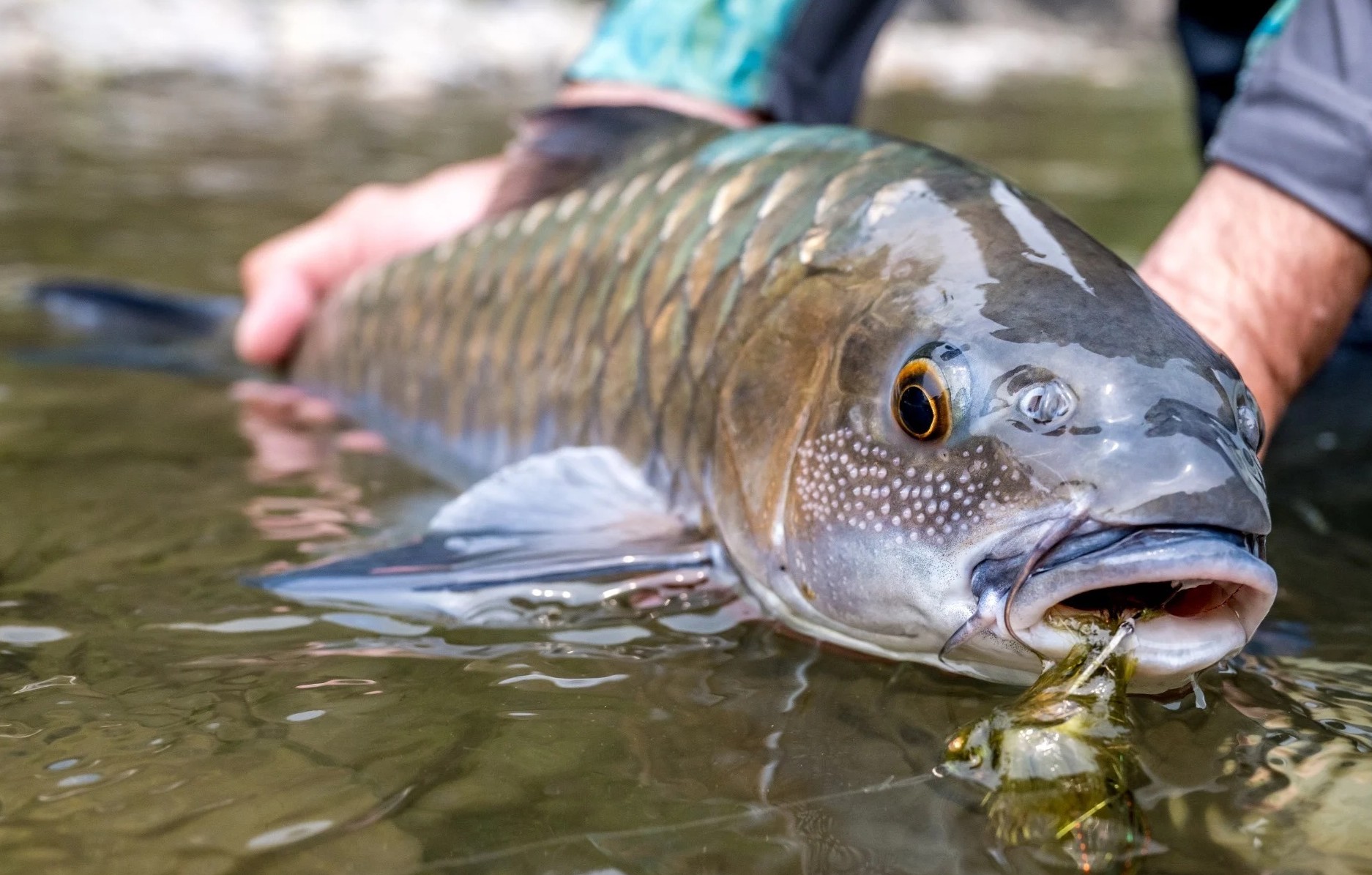
For those seeking a more thrilling challenge, the legendary mahseer awaits in the warmer waters of Bhutan’s southern foothills. Known for its incredible strength and fighting spirit, the mahseer offers a truly exhilarating fly fishing adventure.
The best regions for mahseer fishing are found in the southern foothills, where the rivers descend from the mountains into the warmer, lush jungles. Specifically, areas around Pangbang and the Manas Wildlife Sanctuary are renowned hotspots for targeting this magnificent “tiger of the river.” Be prepared for a powerful fight and a truly memorable catch!
Fishing Seasons and Guidelines in Bhutan
Bhutan’s diverse climate and conservation policies mean that fishing is strictly regulated. Planning your trip around these seasons is key to a successful catch, but it’s equally important to understand the ethical guidelines.
- Catch and Release Only: Being a deeply Buddhist nation, all fishing in Bhutan is strictly catch-and-release. This practice is rooted in the reverence for all sentient beings and is a core part of the fishing experience. You may take a photo to remember the moment, but all fish must be immediately and safely returned to the water.
- Trout Season: The prime time for trout fishing in the higher valleys is during spring (March to May) and autumn (September & October).
- Mahseer Season: For mahseer, the best windows are from March to early June (pre-monsoon) and again from mid-October to November (post-monsoon).
- Prohibited Periods: Fishing is strictly prohibited during the trout spawning season (October, November, and December). It is also not permitted during the summer monsoon (June-August) due to high water levels, and on auspicious Buddhist holidays throughout the year.
Recommended Gear
If you’re bringing your own gear, here’s what works best:
- Trout: 5–6 weight rods for Bhutan’s high-altitude streams.
- Mahseer: 8–9 weight rods for handling this powerful species.
- Extras: Polarized sunglasses, waterproof layers, and flies adapted to local waters (your guide can advise).
If you prefer to travel light, don’t worry — we provide rod rentals at USD $50 per rod, with everything handled by your fishing guide.
Ready to Cast a Line?
If you want to include a day or two of fishing in your Bhutanese journey, we can hook you up with a passionate and experienced local fly fishing guide. He will provide you with all the necessary rods and equipment.
- Guide Fee: USD $100 per day
- Rod Rental: USD $50 per rod
- If the spot is beyond Thimphu and Paro, you will need to cover the cost of guide accommodation
Frequently Asked Questions (FAQ)
Do I need a fishing permit in Bhutan?
Yes. A government-issued permit from the Department of Forests and Park Services is required. These are arranged only through licensed Bhutanese tour operators. Independent fishing is not allowed.
How much does fishing cost in Bhutan?
- Guide Fee: USD $100 per day (If required)
- Rod Rental: USD $50 per rod (If required)
- Permit Fee: Included in your package
If you’re fishing beyond Paro or Thimphu, you must also cover guide accommodation.
What species can I catch?
- Brown Trout: Thriving in high-altitude, glacier-fed rivers and streams.
- Golden Mahseer: A powerful, sacred species found in Bhutan’s warmer southern rivers, considered the “Tiger of the River.”
What is the best time of year to fish?
- Trout: Spring (March–May) and Autumn (September–October).
- Mahseer: March–early June (pre-monsoon) and mid-October–November (post-monsoon).
Prohibited periods: Trout spawning (Oct–Dec), summer monsoon (Jun–Aug), and certain Buddhist holy days.
Is it catch-and-release only?
Yes. Bhutan enforces a strict catch-and-release policy. This is rooted in Buddhist respect for all life and ensures long-term sustainability of fish populations.
What type of gear should I bring?
- Trout: 5–6 weight rods.
- Mahseer: 8–9 weight rods.
- Polarized sunglasses, waterproof layers, and flies tailored to local rivers.
- Most anglers bring their own, but gear is available for rent.
Do I need prior fly fishing experience?
No. Beginners are welcome. Bhutanese guides offer hands-on lessons in casting and river techniques, making it accessible to all skill levels.
Who will be my fishing guide?
A specialist fly fishing guide with local expertise will accompany you, alongside your main cultural tour guide to coordinate logistics.
What about cultural restrictions?
Yes. Fishing is prohibited in rivers near monasteries, Dzongs, and other sacred sites. Your guide will ensure you fish only in approved areas.
Can I keep my catch?
No. All fishing is catch-and-release. You may take photographs, but every fish must be returned safely to the water.
Is fishing allowed everywhere in Bhutan?
No. Only designated rivers are open for angling. Restricted zones include sacred rivers and national parks where fishing is not permitted.
What makes fishing in Bhutan unique compared to other countries?
- Pristine, untouched rivers free from overfishing.
- Strict conservation rules.
- Exclusive access (permits are limited).
- Fishing amidst monasteries, prayer flags, and Himalayan scenery.
Do I need to bring waders or boots?
Waders and sturdy boots are highly recommended for comfort and safety in cold mountain rivers. If you don’t bring your own, check with your operator in advance.
How physically demanding is fishing in Bhutan?
It can range from light (casting near Paro or Thimphu) to challenging (trekking to remote rivers at high altitude or battling mahseer). Fitness helps, but trips can be tailored to your comfort level.
Are children or families allowed to fish?
Yes, but with supervision. Children may enjoy casting lessons and the outdoor experience, though Bhutan’s catch-and-release rules apply to everyone.
Do I need travel insurance?
Yes. Comprehensive travel insurance is strongly recommended, covering medical needs, adventure activities, and trip delays.
Can women go fly fishing in Bhutan?
Absolutely. Fishing is open to everyone, regardless of gender or experience.
How remote are the fishing spots?
Some rivers, like the Paro Chhu or Thimphu Chhu, are easily accessible. Others, like those in Haa Valley or Manas, may require several hours of travel. Remote trips often provide the most rewarding experiences.
What’s included in a fishing excursion?
- Fishing permit
- Specialist fishing guide (if required)
- Rod rental (if requested)
- Transportation to and from the river
- Cultural tour guide (part of your package)
What’s not included?
- Personal gear (if you prefer your own)
- Guide accommodation for remote trips
- Travel insurance