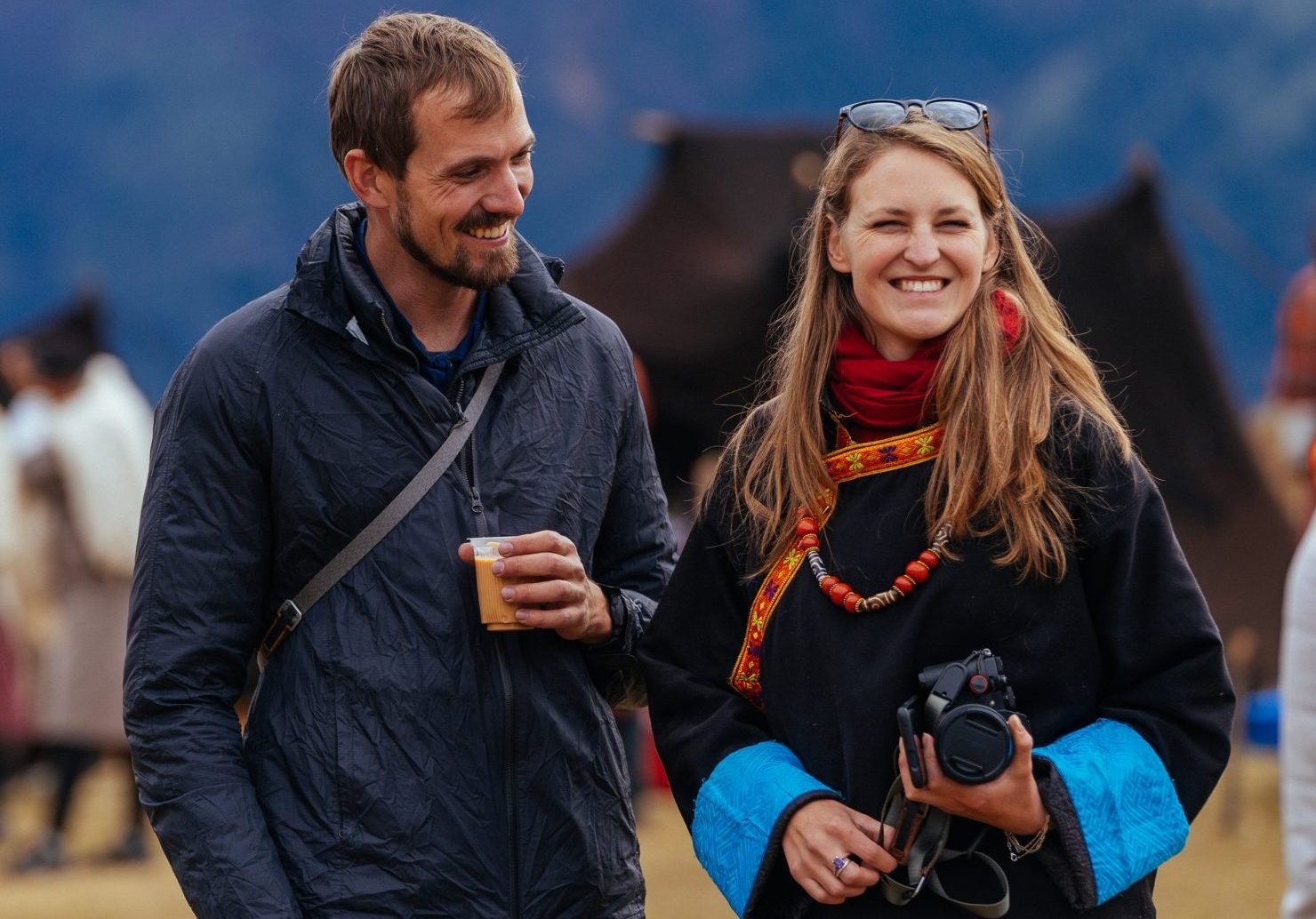
The Royal Highland Festival (RHF) in Laya, Bhutan, is a remarkable annual celebration of highland culture, nomadic traditions, and community resilience. Initiated in 2016 under the direct vision and patronage of His Majesty King Jigme Khesar Namgyel Wangchuck, it honors the unique way of life of Bhutan’s highlanders—yak herders and semi-nomadic communities across 11 gewogs in 10 dzongkhags, including Laya, Lunana, Soe, Naro, Lingzhi, Merak, Sakteng, Dangchu, Sephu, Dungkar, and parts of Gasa.
The festival’s core theme remains “Celebrating Highland Resilience and Prosperity”, focusing on preserving ancient practices, addressing climate challenges (like declining yak herding), boosting rural economies through tourism and markets, and showcasing the highlanders’ vital role in Bhutan’s heritage and environment.
Held in the breathtaking village of Laya—one of Bhutan’s highest permanent settlements at approximately 3,820–4,000 meters (often rounded to 4,000 m / 13,123 ft)—the event draws thousands annually. Most attendees are domestic Bhutanese from urban centers like Thimphu, Paro, and Punakha, creating a warm, inclusive atmosphere with fewer international visitors for a more authentic experience.
When and Where Is It Held?
- Dates: Fixed every year on October 23–24.
- Location: Laya village, Gasa District, northwestern Bhutan—surrounded by alpine meadows, yak pastures, glacial lakes, and dramatic Himalayan peaks.
- Altitude: 3,820–4,000 m. High-altitude preparation is essential.
The Royal Presence: His Majesty Attends Every Year
His Majesty The King has personally graced the festival every single year since 2016, underscoring his commitment to highland communities. In recent editions:
– He is often joined by family members, such as His Royal Highness Gyalsey Jigme Namgyel Wangchuck in multiple years.
– In 2025, the entire Royal Family —Their Majesties The King and Gyaltsuen, plus Their Royal Highnesses Gyalsey Jigme Namgyel, Gyalsey Ugyen Wangchuck, and Gyalsem Sonam Yangden Wangchuck—attended together, making it especially memorable.
His Majesty walks among attendees, interacts warmly with locals and visitors, delivers addresses expressing gratitude, and participates in the spirit of the event. For Bhutanese, it’s a moment of profound pride and loyalty—often expressed through
Buelwa (ceremonial gift offerings) and Auley (epic poem recitations honoring the King and Zhabdrung). For international visitors, it’s a rare, intimate chance to meet the King personally—many report brief, meaningful conversations, with His Majesty acknowledging foreign attendance as key support for remote economies.
This royal engagement elevates the festival beyond a cultural show—it’s a symbol of unity between the monarchy and highland people.
The Free Community Lunch and Royal Hospitality
A standout, heartwarming tradition is the free community lunch served to thousands over the two days.
– Large tents host volunteers and community members serving hearty highland meals (e.g., sikam paa—pork with radishes and chilies, kewa datshi—potatoes and cheese, buckwheat dishes like khulay or puta, yak products, and more).
– Lunch on both days is sponsored by His Majesty The King—prepared by the royal kitchen and shared equally with everyone: highlanders, herders, locals, Bhutanese visitors, and international guests (often 1,500+ per meal).
– This inclusive tokha (communal meal) reflects Bhutan’s values of hospitality, equality, and appreciation for highland contributions. It’s often described as one of the most memorable parts—eating together under the mountains with royal sponsorship fostering a sense of shared belonging.
Additional food is available at market stalls (yak cheese, butter tea, beetroot wine, chilies), and some visitors enjoy homestay meals or picnic-style lunches.
How to Get to Laya?
The journey is adventurous and gradual for acclimatization:
Detailed Altitude Profile:
- Thimphu/Paro (~2,200–2,400 m) → Dochula Pass (3,100 m): Climb ~700–900 m, then descent to Punakha (~1,200–1,300 m): Loss ~1,800 m.
- Punakha (~1,300 m)→ Gasa (~2,770–2,850 m): Gain ~1,470–1,550 m (3–4 hours drive through Jigme Dorji Wangchuck National Park).
- Gasa (~2,770 m) → Taktse Makha/road end (~3,300 m): Gain ~450–530 m (1.5–3 hours on rough tracks along Mo Chhu valley).
- Taktse Makha (~3,300 m) → Laya (~3,820–4,000 m): Final hike gain ~500–700 m (gradual 2–5 hours trail through pastures; ponies often available).
Net gain: ~2,500–2,700 m from Punakha low point, spread over 1–2 days with recommended overnights. Helicopter options (DrukAir/Heli Bhutan) exist for faster access but involve rapid ascent risks.
International visitors: Book through licensed tour operators (Breathe Bhutan) for curated experiences, visas, Sustainable Development Fee (SDF), guides, and permits.
Altitude Sickness Prevention
Moderate-high risk at Laya—symptoms (headache, nausea, dizziness) possible above ~2,500–3,000 m.
- Ascend gradually: Overnight in Punakha/Gasa; limit daily sleep gain to 300–500 m above 3,000 m.
- Hydrate (3–4+ liters/day), eat carbs, pace slowly, avoid alcohol.
- Consider Diamox (consult doctor); rest on arrival in Laya.
- Severe symptoms: Immediate descent + medical help (guides carry oxygen; road/helicopter evacuation possible).
What Happens at the Festival? (Typical Program Highlights)
Two dynamic days (based on recent editions like 2025):
- Yak & Animal Competitions: Yak races, beauty contests, decoration; Bhutanese mastiff shows; horse races; livestock exhibitions.
- Cultural Performances: Layap folk dances, highland songs, storytelling, mask dances, traditional music, Auley recitations, Buelwa offerings.
- Evening Entertainment: Concerts with Bhutanese singers, local artists, dances, and lively gatherings.
- Highland Market: Yak cheese/butter, wool textiles, herbs/medicines, handcrafted goods.
- Laya Run: 25 km high-altitude endurance race (from Ponjothang along Mo Chhu to grounds).
- Other: Traditional games, parades, celebrity performances, homestay interactions (learn cheese/butter making, wool spinning).
Nearby Attractions & Post-Festival Extensions
- Gasa Tshachu: Healing hot springs along Mo Chhu.
- Gasa Dzong: 17th-century fortress overlooking the valley.
- Wildlife: Snow leopards, red pandas, blue sheep, Himalayan black bears in the national park.
- Stay Longer in Laya: Explore short hikes to pastures, lakes, herder camps, or relax in the quieter post-festival vibe (2–4+ days common).
- Extend with Trekking: Link to Laya-Jomolhari Trek (7–12+ days south via high passes like Nyele La ~4,700–5,000 m to Jangothang/Paro; challenging, stunning Jomolhari views; operator-required camping).