Being foodies ourselves, the food experience with Breathe Bhutan is one of the most important aspects of our tours. We take your meals seriously because food is culture, comfort, and connection. Unlike many tour operators, we do not make deals with restaurants to cut costs. We never take guests to fixed, pre-arranged places just for convenience. Instead, you choose where you want to eat, and when you’re unsure, we simply ask about your mood and take you to the most fitting and beloved local spots. If someone is craving a burger or pizza, we take them to the joints where Bhutanese youth actually go—not tourist places, but real places.
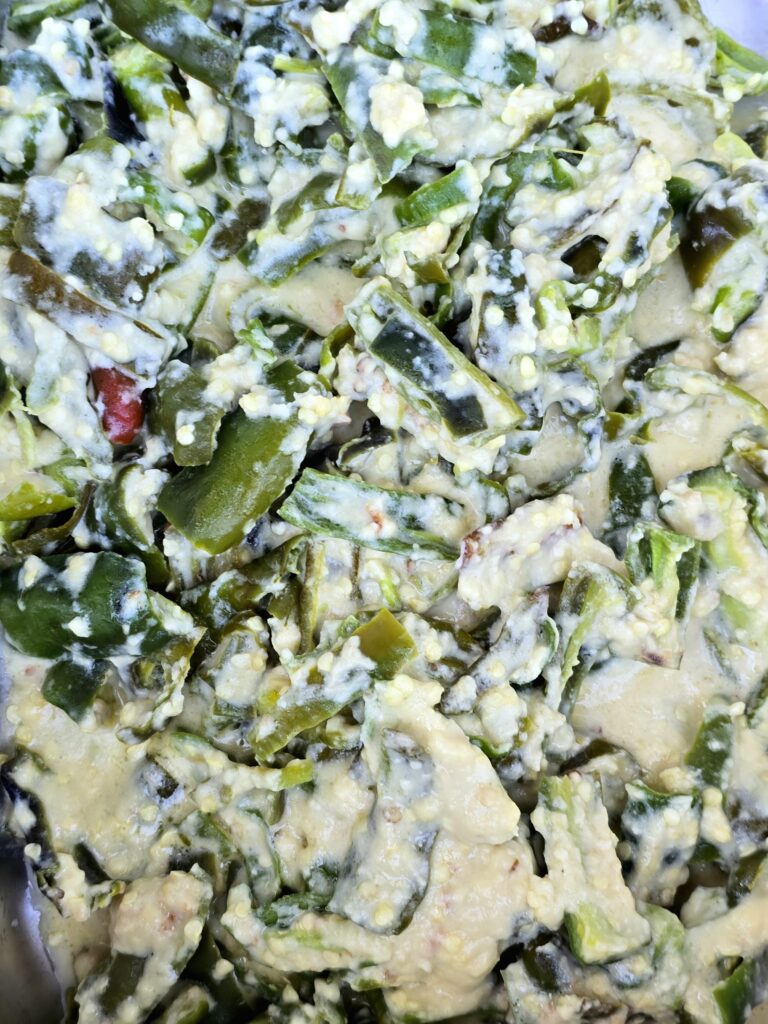
While most breakfasts will be served at your lodge or hotel, from lunch onward we make it our mission to introduce you to a wide variety of Bhutanese food, delicacies, and comfort dishes. Guests who can handle a bit of heat instantly fall in love with Ema Datshi, the so-called national dish of Bhutan. Every family has their own version, and no two Ema Datshis taste the same. When you’re here in Bhutan, you’ll immediately understand what we mean.
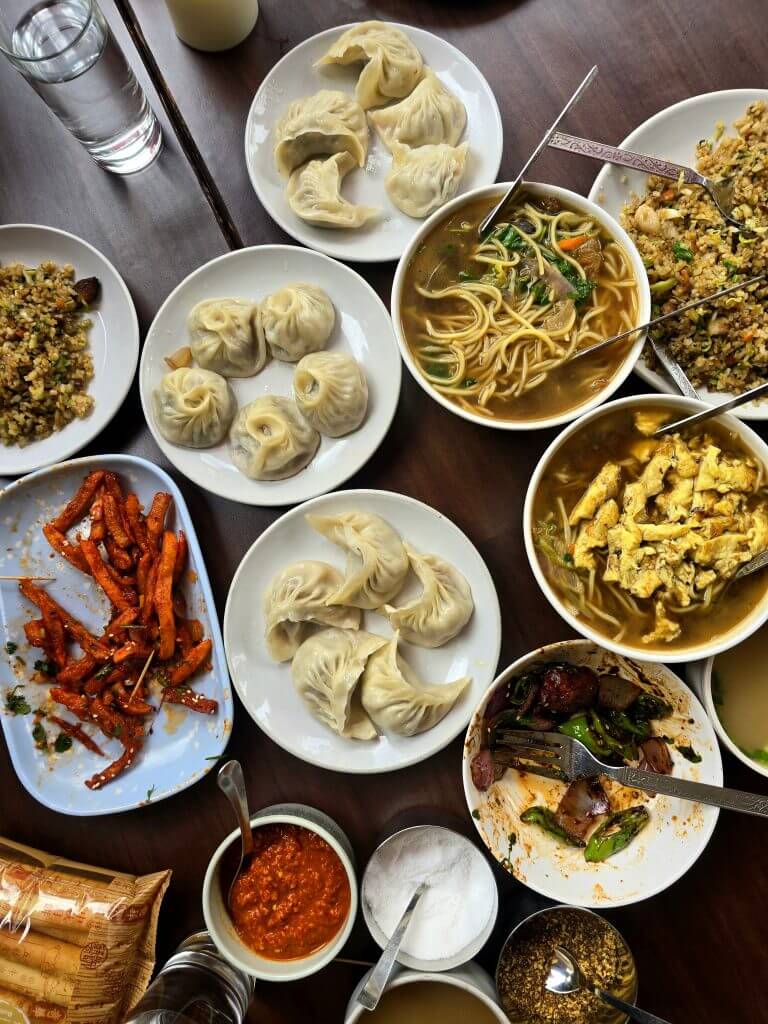
And then come the momos—beloved by everyone. Beef momos, pork momos, chicken momos, potato momos, cheese momos, cabbage momos, even Ema Datshi and Kewa Datshi momos. Children adore them, adults crave them, and nobody ever stops at one plate. Momos have a magical way of making people happy.
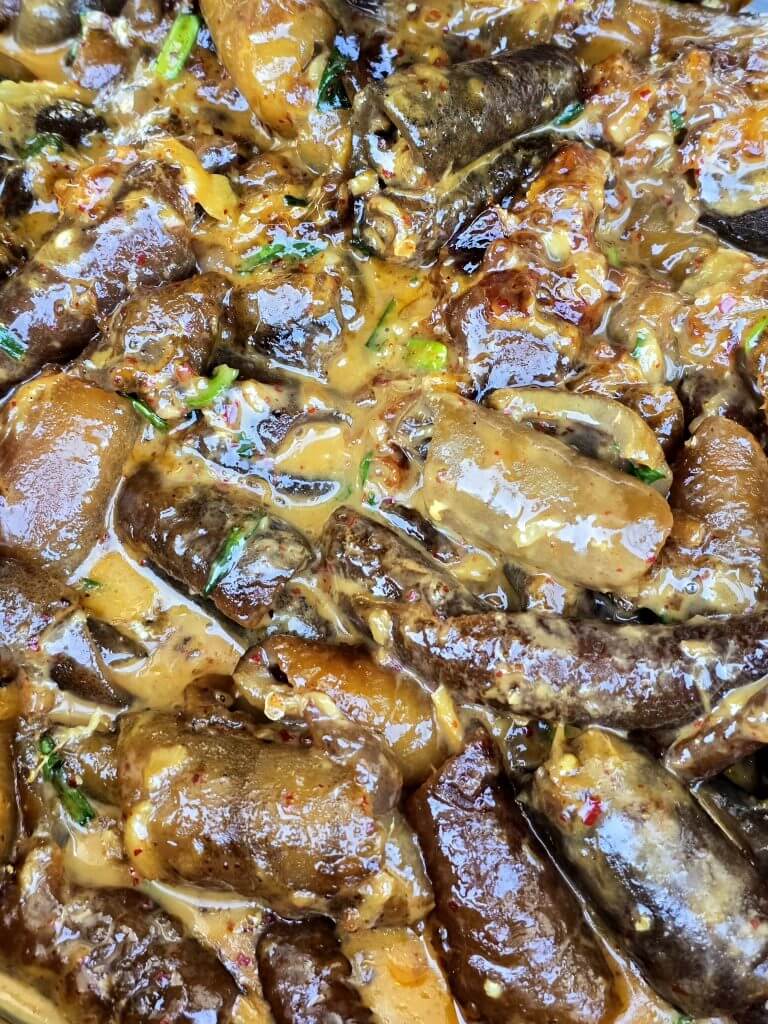
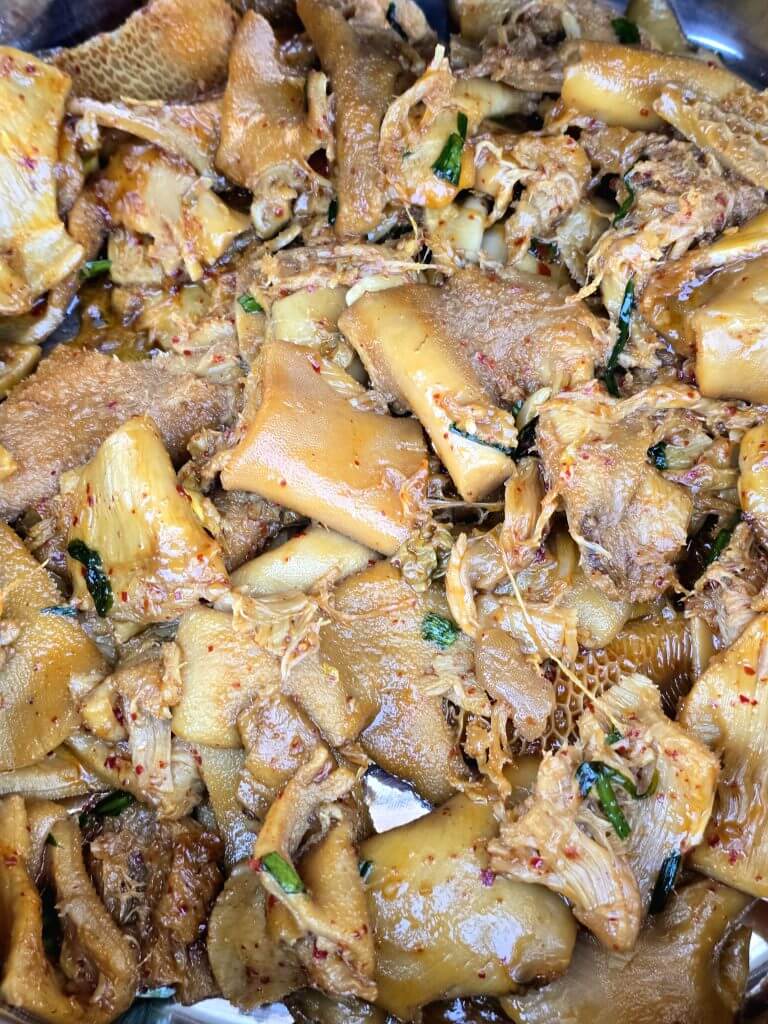
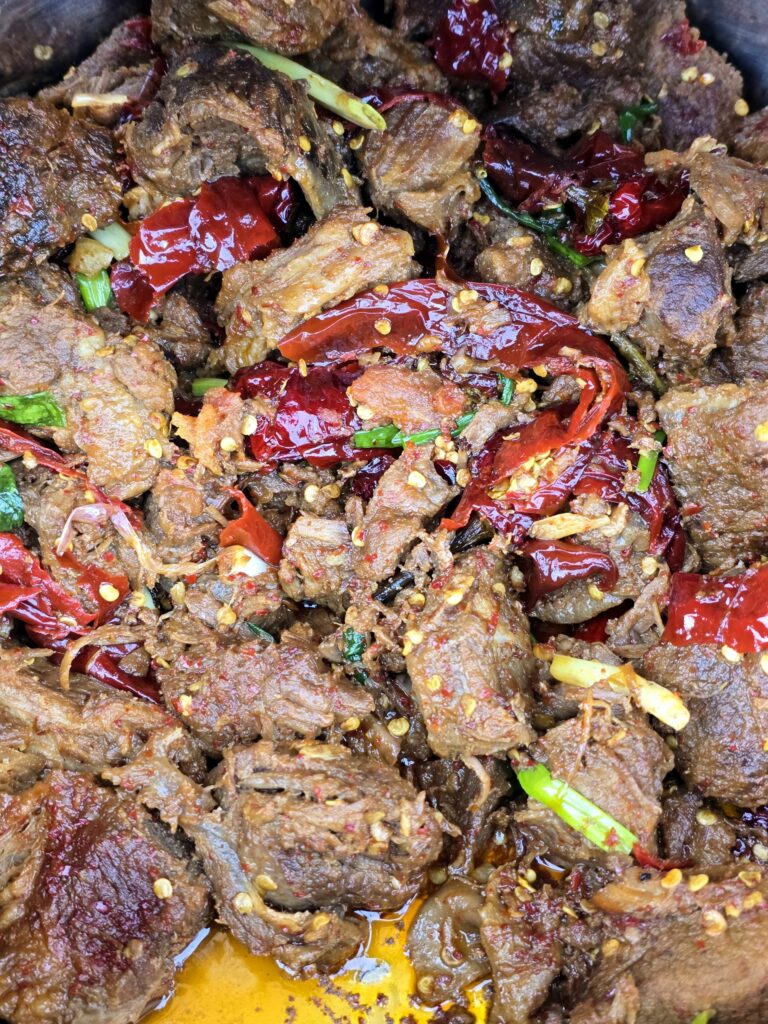
With Breathe Bhutan, you’ll be exposed to all kinds of Bhutanese flavours, including dishes that even locals consider delicacies. Some adventurous guests try liver and tongue prepared the Bhutanese way. And if you’re truly curious, you may even get the rare chance to taste a snack made of hornet larva, usually enjoyed with a local spirit called Ara. It’s certainly not for everyone, but the ones who try it never forget it.
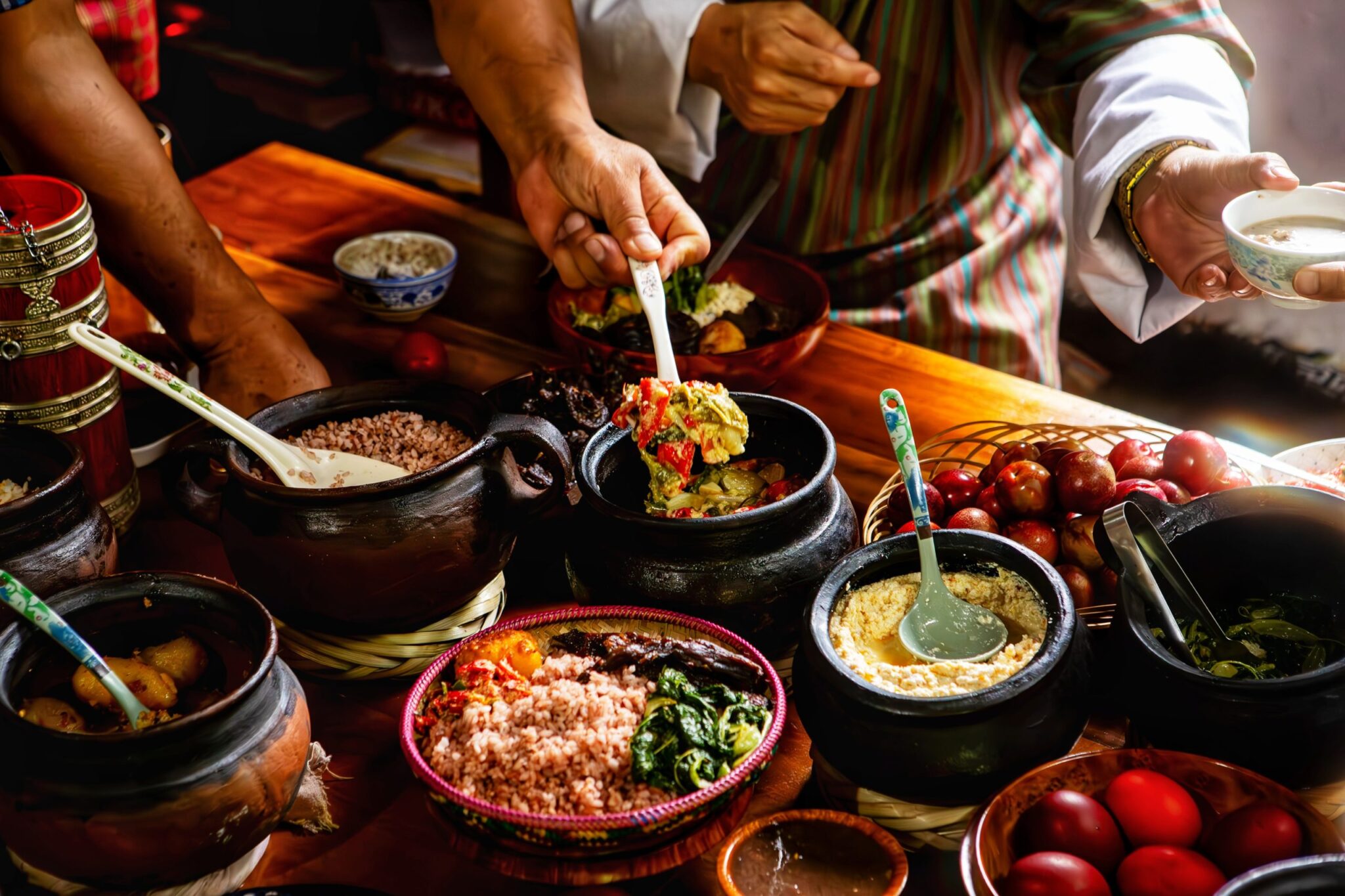
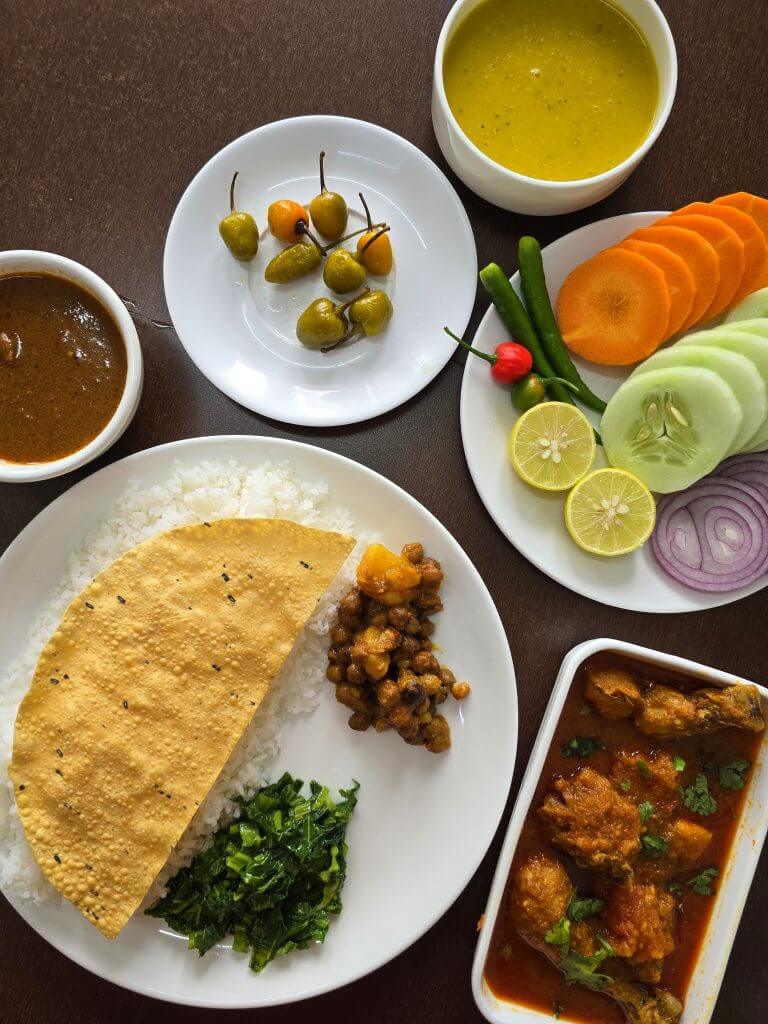
One of the most special parts of travelling with us is the opportunity to enjoy home-cooked meals in a local home or homestay. These meals are simple, warm, and deeply personal—often cooked over a wood fire using vegetables from the garden and ingredients made by the family themselves. Expect hearty soups, fresh greens, red rice, comforting stews, and traditional side dishes that reflect the true flavours of Bhutanese daily life. Eating in a Bhutanese home isn’t just about the food; it’s about sitting together, sharing stories, and experiencing a way of life that hasn’t changed for generations.
We also make sure you get a taste of Southern Bhutan and Central Bhutan cuisine, each region with its own character. Southern Bhutan offers bold, spicier dishes influenced by its subtropical climate. Central Bhutan brings heartier mountain flavours—buckwheat dishes, porridges, and warm, rustic foods perfect for colder regions. Even if you don’t travel through every region, we still give you a delicious glimpse into their culinary identities.
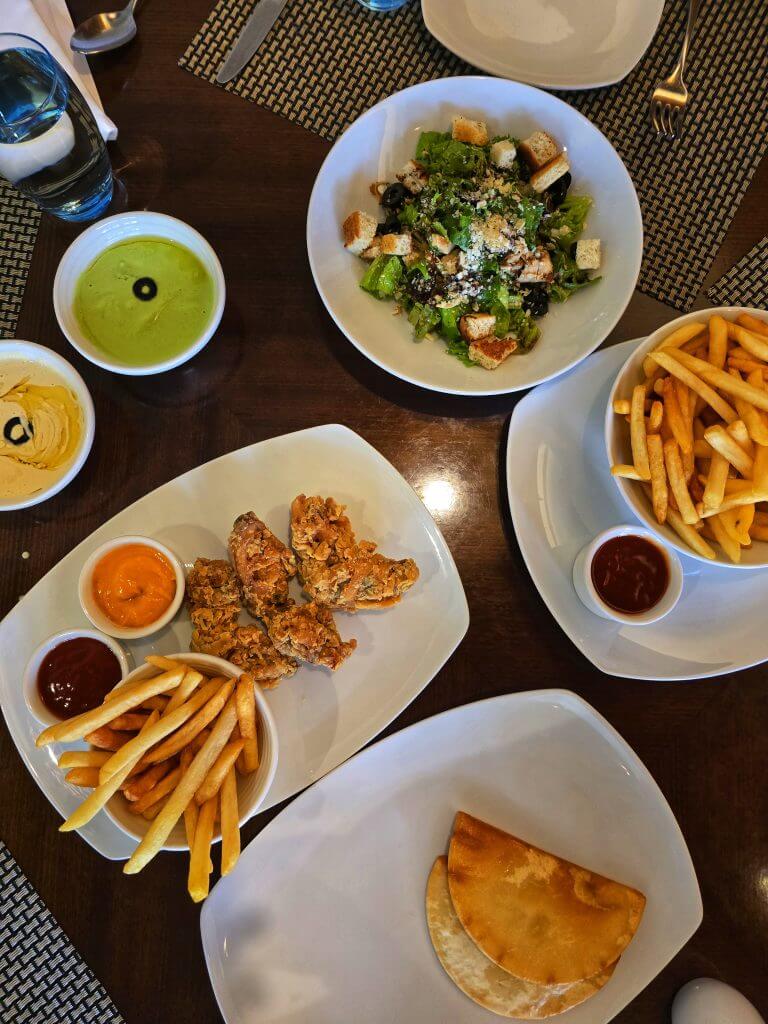
And if you’re suddenly craving something different—say Korean or Japanese—we happily take you to our favourite spots. These are the places we personally love, not generic options. Whether it’s sizzling Korean BBQ or a comforting Japanese meal, we know exactly where to go for authenticity and flavour.
Vegetarian and vegan travellers are always surprised by how much they enjoy Bhutanese cuisine. Many Bhutanese dishes are naturally plant-based, featuring vegetables, mushrooms, buckwheat, cheese, and lentils. We know the right places to take you for delicious vegetarian meals, and local homes often prepare beautiful vegetable dishes that win everyone’s heart.
For travellers who are lactose intolerant, don’t worry. While Bhutanese cuisine uses a lot of cheese and butter, we are very mindful of this and always adjust meals accordingly. Many Bhutanese dishes can be made without dairy, and there are plenty of naturally lactose-free options across the country. We guide you on what to avoid, speak to the kitchens on your behalf, and make sure you always have delicious, safe alternatives.
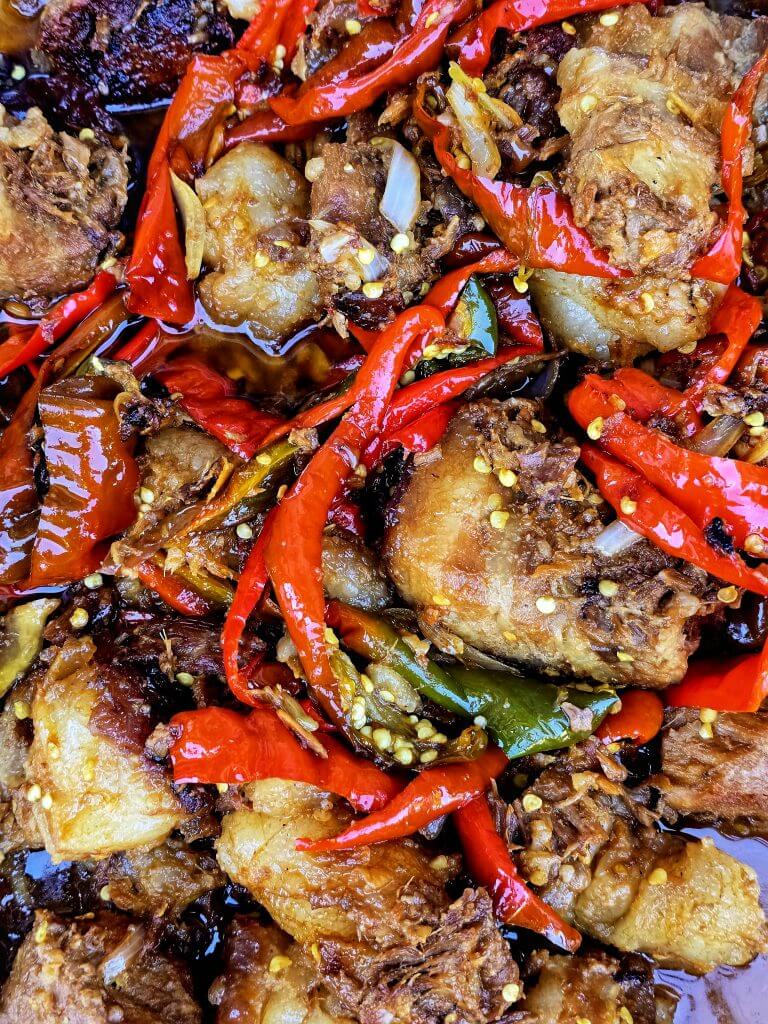
Not all of us in Bhutan can handle super-hot chillies either. The local chillies we eat like vegetables are mildly spicy, but not bland like capsicums—they carry flavour without overwhelming heat. Bhutan may be known for spicy food, but even guests who cannot tolerate spice have thoroughly enjoyed their meals with us. We choose restaurants that can adjust the spice level, guide you on what to try, and always make sure you’re comfortable. Many travellers who arrived saying, “I can’t handle spice at all,” ended up loving dishes they never imagined they would enjoy.