When visiting Bhutan, travelers will experience not only breathtaking landscapes but also a deeply spiritual culture. Monasteries, temples, and dzongs are sacred places where monks pray, rituals are performed, and local communities come for blessings.
Visitors are warmly welcomed, but it is important to dress respectfully when entering these sacred spaces. At the same time, Bhutan’s weather changes with the seasons, so packing appropriately will make your journey much more comfortable.
Below is a guide to temple dress code followed by what to pack for each season in Bhutan.
Dzong, Temple and Monastery Dress Code in Bhutan
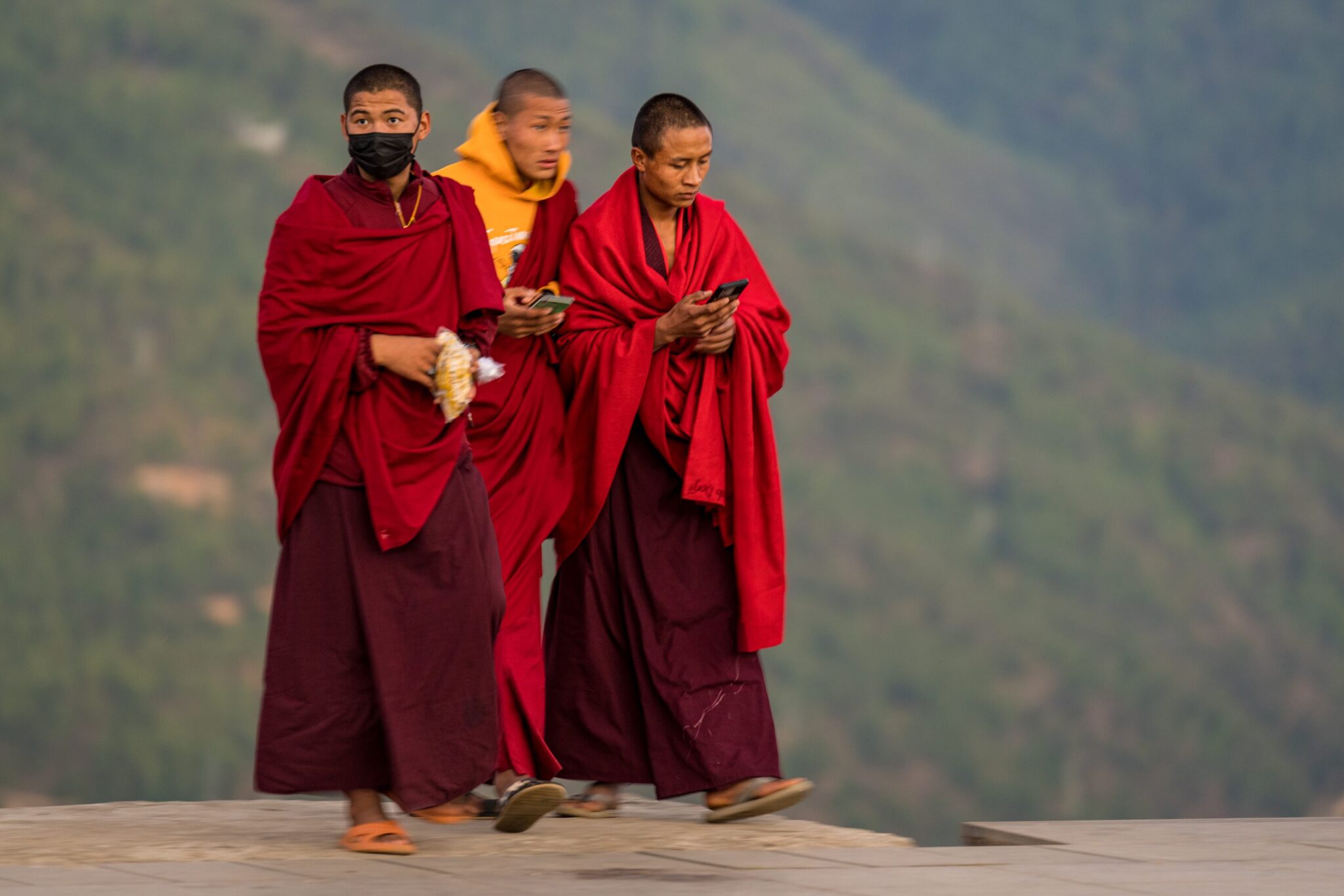
Bhutanese temples and monasteries follow traditional etiquette rooted in respect for sacred spaces. Visitors are requested to follow the dress code below when entering monasteries, temples, and dzongs.
Key Dress Code Requirements
1. Cover Up
Shoulders and knees must be covered at all times.
2. Shirts
Wear shirts with collars (half or long-sleeved). If wearing a t-shirt, it is safer to wear a light jacket or shawl over it to ensure shoulders are covered.
3. Pants or Skirts
Long pants or long skirts (ankle-length) are required. Shorts and short skirts are not permitted.
4. Footwear
Flip-flops and open sandals are not recommended. Shoes must be removed before entering temples and shrine rooms.
5. Headgear
Hats, caps, and umbrellas are not permitted inside temples.
6. Comfort
Clothing should be modest and not tight-fitting.
Following these guidelines ensures respect for Bhutanese culture and allows visitors to enter temples and monasteries without any restrictions.
Bhutan Weather and What to Pack by Season
Bhutan’s climate varies throughout the year and can change quickly depending on altitude. Temperatures are generally pleasant during the day but mornings and evenings can be cooler, especially in valleys like Paro and Thimphu or when visiting higher elevations.
Layering your clothing is the best way to stay comfortable during your journey.
1. Spring (March – May)
Spring is one of the most beautiful seasons in Bhutan. Valleys are filled with blooming rhododendrons and wildflowers, and the weather is generally mild and pleasant.
Average Temperature: 10°C – 22°C
Mornings and evenings can feel cool.
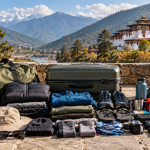
What to Pack
Clothing
- Light sweater or fleece
- Long-sleeved shirts
- Comfortable travel or hiking pants
- Light jacket for mornings and evenings
- Light scarf or shawl for temple visits
Footwear
- Comfortable walking or hiking shoes
- Extra socks for monastery visits
- Accessories
- Sunglasses
- Sunscreen
- Daypack for hikes
- Reusable water bottle (Provided by Breathe Bhutan)
Summer (June – August)
Summer is Bhutan’s rain season. Landscapes become lush and green, but occasional rain showers are common. Summer is a good time for those who does not mind an occasional shower.
Average Temperature: 18°C – 28°C
What to Pack
Clothing
- Light breathable shirts
- Quick-dry travel pants
- Light long-sleeve shirts
- Light jacket or shawl (can be cold at mountain passes and when hiking into the mountains)
- Rain Protection
- Rain jacket or poncho
- Compact umbrella (Provided by Breathe Bhutan)
Footwear
- Waterproof trekking boots (For Trekkers)
- Comfortable walking shoes
- Extra socks
Accessories
- Insect repellent (Provided by Breathe Bhutan)
- Sunscreen
- Small backpack with rain cover
Autumn (September – November)
Autumn is widely considered the best season to visit Bhutan. The skies are clear, the air is crisp, and the views of the Himalayas are spectacular. Many of Bhutan’s famous festivals also take place during this time.
Average Temperature: 12°C – 24°C
What to Pack
Clothing
- Light sweaters
- Long-sleeve shirts
- Comfortable travel pants
- Medium-weight jacket for evenings
- Light scarf or shawl for temple visits
Footwear
- Comfortable walking or hiking boots
- Accessories
- Sunglasses
- Sunscreen
Winter (December – February)
Winter in Bhutan can be cold, especially in the mornings and evenings, but days are often sunny and clear. Because of sunny days, it will feel much warmer than what the weather forecast shows. It is a peaceful time to visit with fewer travelers. If you are looking for exclusivity, Winter is the best time to visit. Especially December and February.
Average Temperature: -2°C – 15°C
What to Pack
Clothing:
- Warm down jacket
- Sweaters or fleece layers
- Thermal base layers
- Warm scarf
- Gloves and warm hat (for outdoor use)
Footwear
- Comfortable walking shoes or boots
- Warm socks
Accessories
- Lip balm
- Moisturizer (the air can be dry)
- Sunglasses
- Daypack
A Simple Packing Tip
Regardless of the season, layering is the key when traveling in Bhutan. Temperatures can change throughout the day, especially when traveling between valleys and higher elevations.
A simple combination that works well for most days includes:
- Comfortable travel pants
- Long-sleeve shirt
- Light sweater or jacket
- Walking shoes
- Shawl or scarf for temple visits
Packing thoughtfully and dressing respectfully will ensure that your journey through Bhutan’s landscapes and sacred places is both comfortable and meaningful.