Punakha

Punakha is Bhutan’s former capital, famous for Punakha Dzong, scenic rivers, fertile valleys, and warm subtropical climate.

Punakha Dzongkhag has been inextricably linked with momentous occasions in Bhutanese history. It served as the capital of the country from 1637 to 1907 and the first national assembly was hosted here in 1953. Punakha Dzong is not only the second oldest and second largest dzong but it also has one of the most majestic structures in the country.

October 13, 2011 marked an unforgettable wedding of the King of Bhutan, Jigme Khesar Namgyel Wangchuck to Jetsun Pema which was held at Punakha Dzong. Punakha Dzong was built at the confluence of two major rivers in Bhutan, the Pho Chhu and Mo Chhu, which converge in this valley. It is an especially beautiful sight on sunny days with sunlight reflecting off the water onto its white-washed walls.

In addition to its structural beauty, Punakha Dzong is notable for containing the preserved remains of Zhabdrung Ngawang Namgyal, the unifier of Bhutan as well as a sacred relic known as the Ranjung Karsapani. This relic is a self-created image of Avalokiteswara that miraculously emerged from the vertebrae of Tsangpa Gyarey, the founder of the Drukpa School when he was cremated.

Popular Attractions in Punakha

Faris Mohammed MMgp9VIQkDU Unsplash

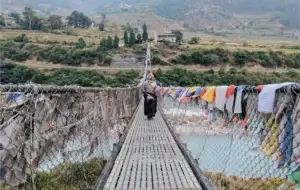
Suspension Bridge

Behind the Punakha Dzong stretches the Punakha Suspension Bridge, the second longest of its kind in Bhutan. Connecting the Punakha

Read More

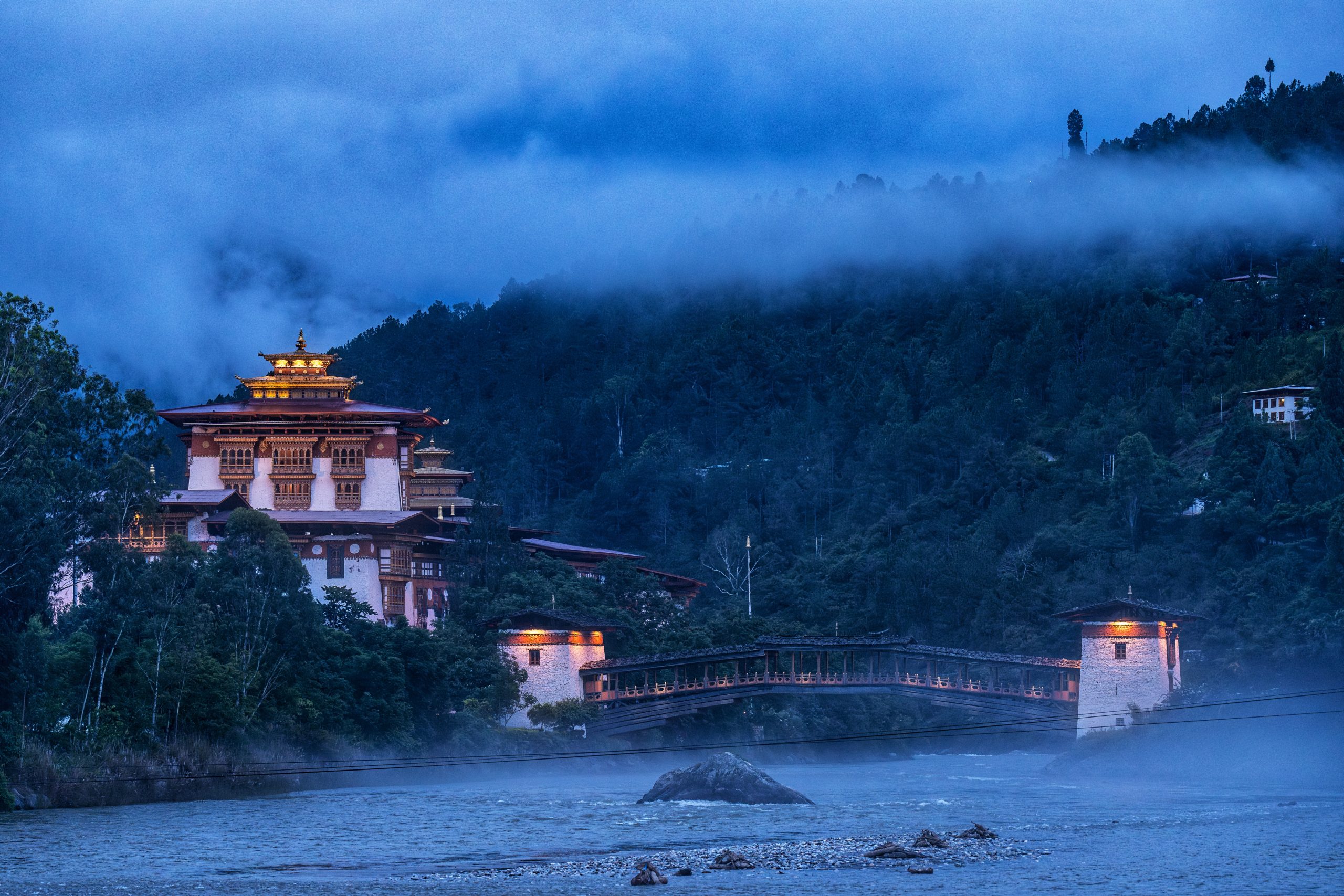
Punakha Dzong

Zhabdrung built the Punakha Dzong in 1637. According to the narratives, the chief carpenter “Zow Balep” who was commissioned to

Read More
Scroll to Top